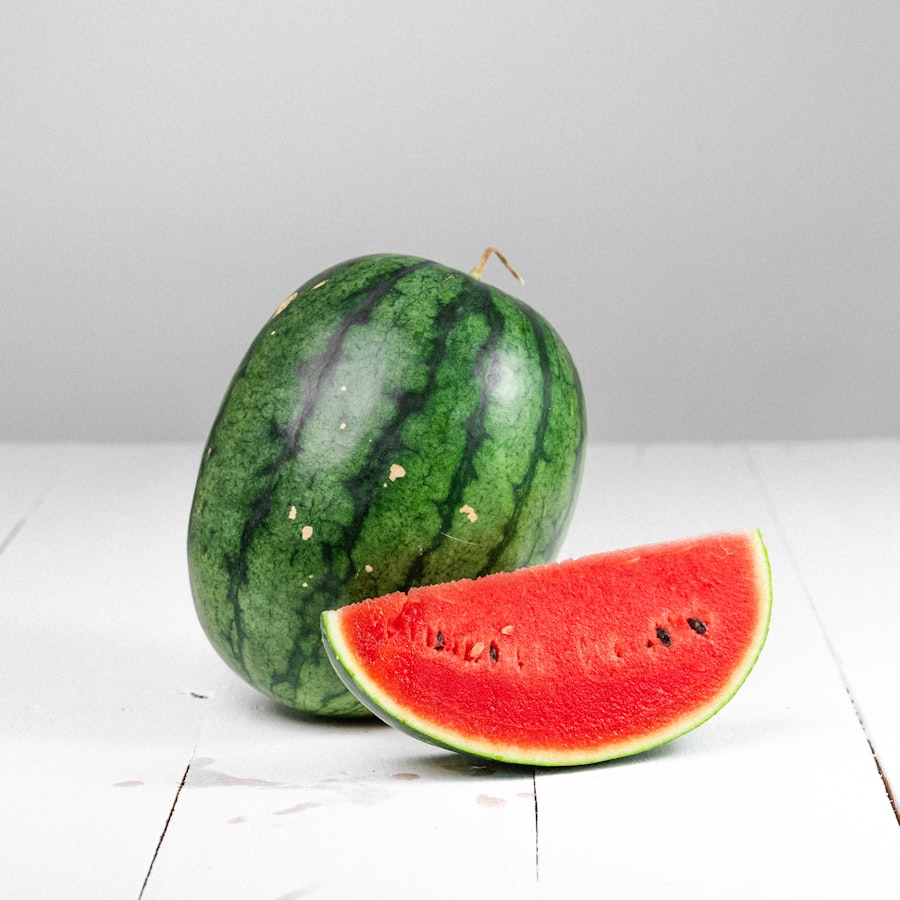
Element
The Power of Acid
How a squeeze of citrus rescues heavy, rich food and resets the palate.
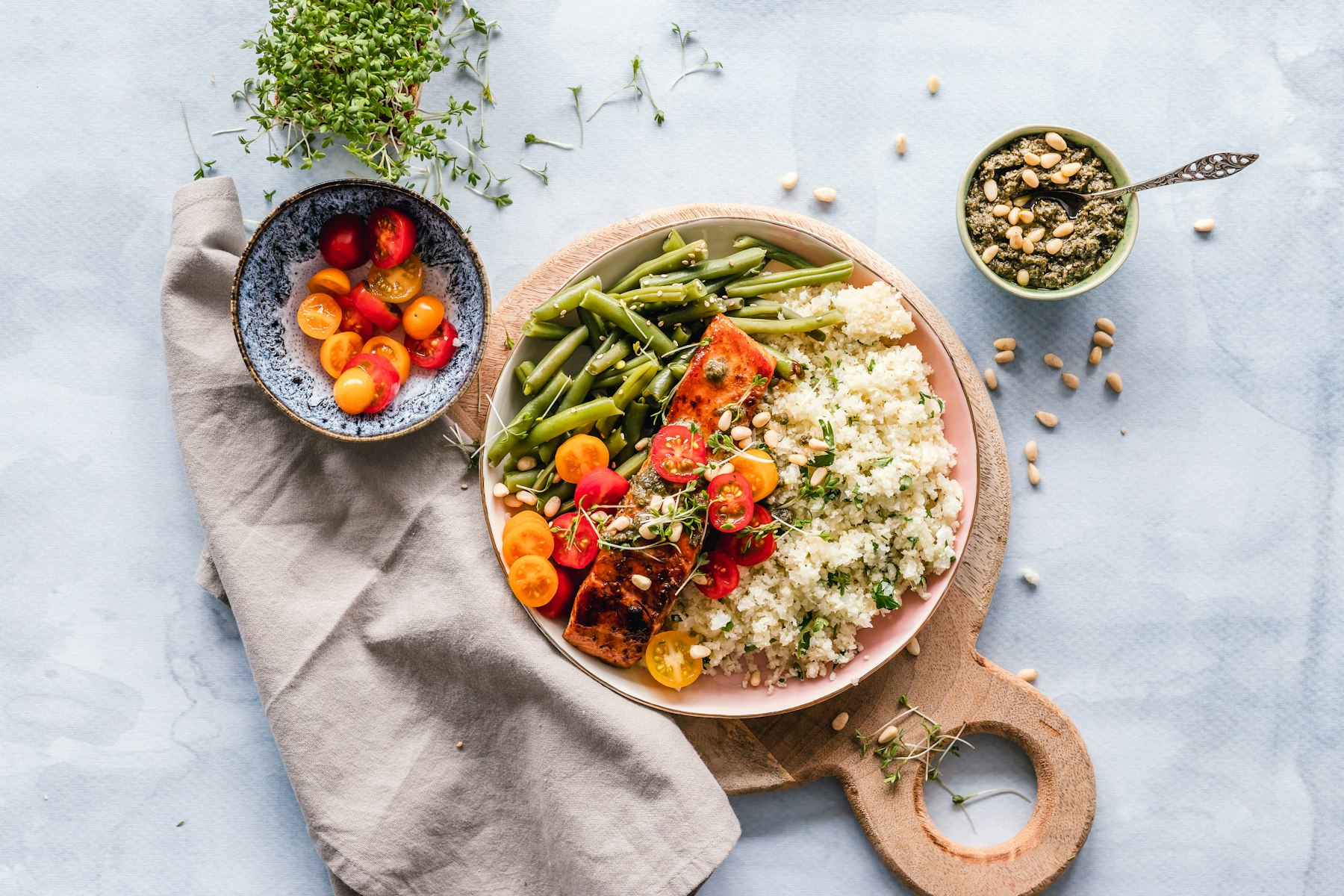
Learn why food actually tastes good — and stop obeying recipes you don't understand.
The first platform built on The Terroir Diagnostic Method™ — flavor intelligence through Diagnosis, Mechanism, Prescription, and Source.
06
Elements
240+
Pairings
4,847
Dishes Elevated
3,291
Flavor Connections Mapped
240+
Taste Studies
50
Council Chefs (Waitlist)
The palate improves with use. So does the platform.
Recipes are obedience. Flavor is fluency.
Professional chefs don't measure — they taste, diagnose, and correct. Terroir gives every cook that same vocabulary: a palate trained on the principles that govern every great cuisine on earth, tuned to the way you already eat.
Diagnose
Why a dish is flat, sharp, or heavy — in one read.
Prescribe
The exact ingredient or technique that fixes it.
Source
Real bottles and pantry items, delivered.
Your palate is learning. Every query, every save, every pairing sharpens the map.
Every great plate is a relationship. Select an element to reveal the pairings that lift it — earthy meets umami, allium leans into fat, acid edits everything.
Personalize
Filter by My Pantry
Tap any element to map its companions
The sweetness of cooked tomato has no counterweight; the palate slides off with nothing to grip.
Long-simmered tomato concentrates glutamate and sugar but volatilizes its native malic acid.
Off heat, stir in 1 tsp of high-acid vinegar per quart, then finish with a few drops of olive oil to round it.
Aged Pedro Ximénez Sherry Vinegar — a finishing acid that brightens fat-heavy dishes without sourness.
There is no top layer — the aromatics never bloomed after the simmer began.
Whole spices need fat and heat to release their volatile oils; pre-ground spice loses them in minutes.
Make a tadka: bloom 1 tsp whole cumin and 8 curry leaves in 2 tbsp ghee until fragrant, pour over the dish at the table.
Wild Curry Leaves & Brown Mustard Seed Set — the finishing aromatics that wake up any braise.
"My tomato sauce tasted flat."
Missing acid — the sweetness has no counterweight.
"My braised short ribs felt heavy."
Fat needs an edit; the palate has nowhere to rest.
"My weeknight curry tasted one-note."
Aromatics never bloomed — top layer is missing.
"My roast vegetables were dull."
No glutamate spine. The savory architecture is absent.
Terroir remembers how your palate thinks.
"Acid is not seasoning. Acid is editing. Everything you cook is a paragraph; a squeeze of lemon is the red pen."
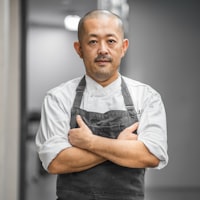
Naomi Hart
Vellum · Brooklyn
How a squeeze of citrus rescues heavy, rich food and resets the palate.
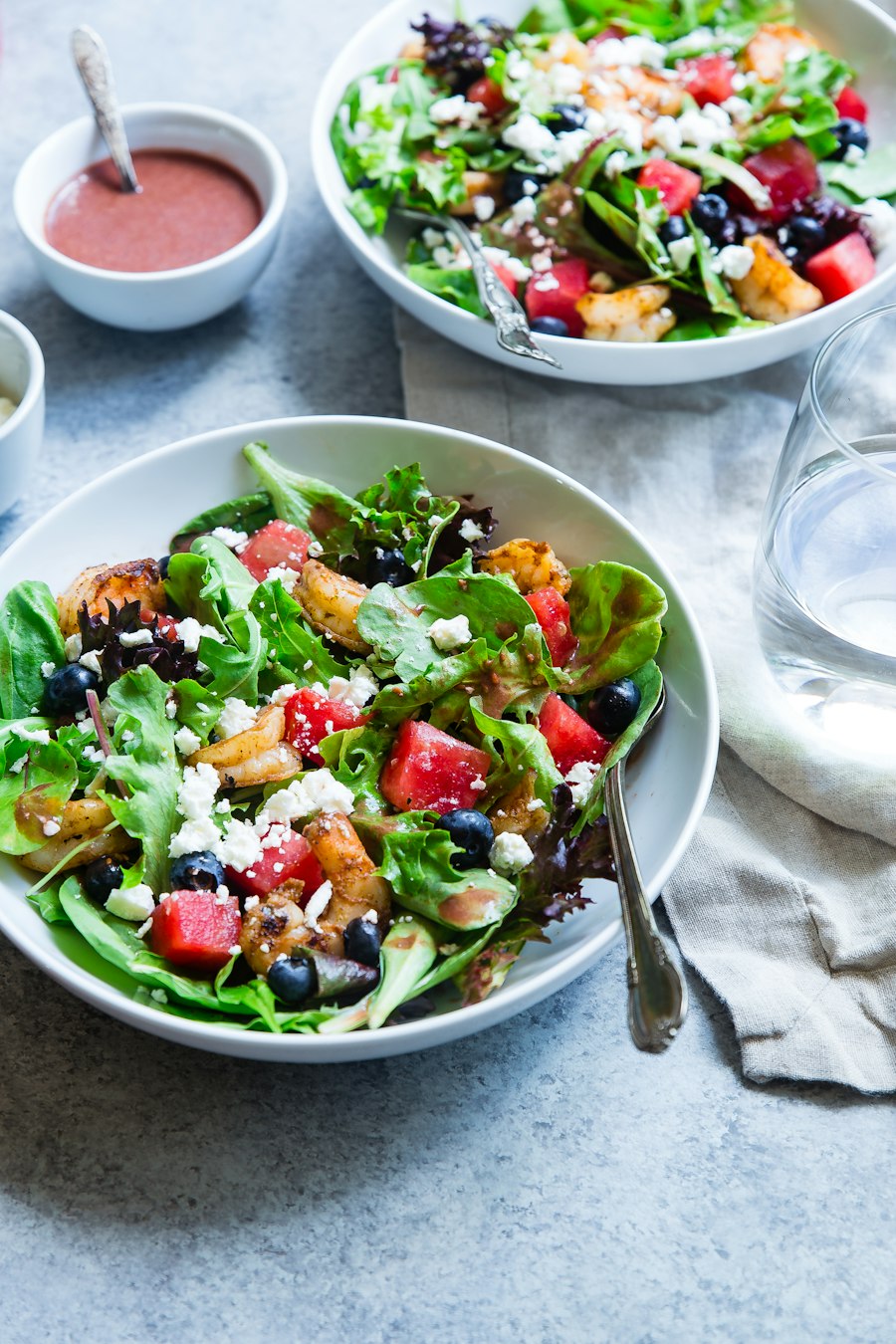
Beets and chèvre — why minerality loves a creamy, tangy counterpart.
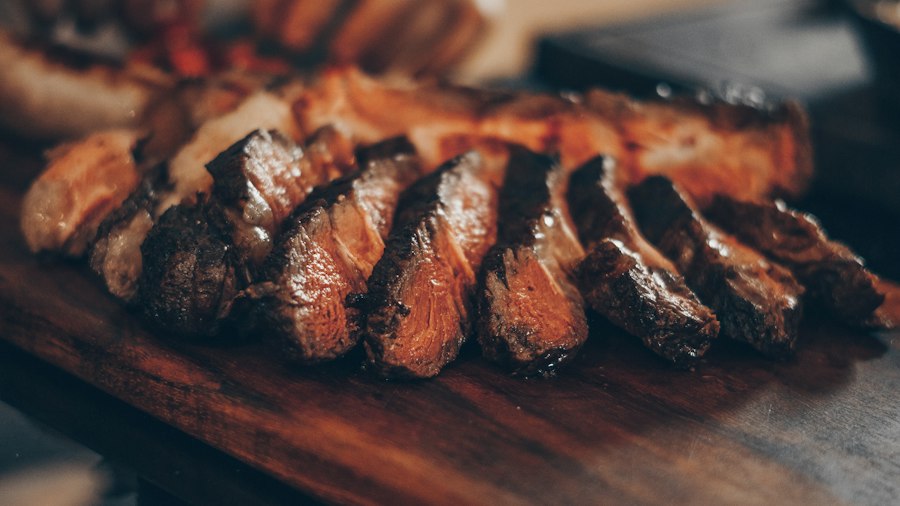
The chemistry behind the perfect sear, and why patience is everything.

A study of seasoning across cuisines — fleur de sel to gomashio.
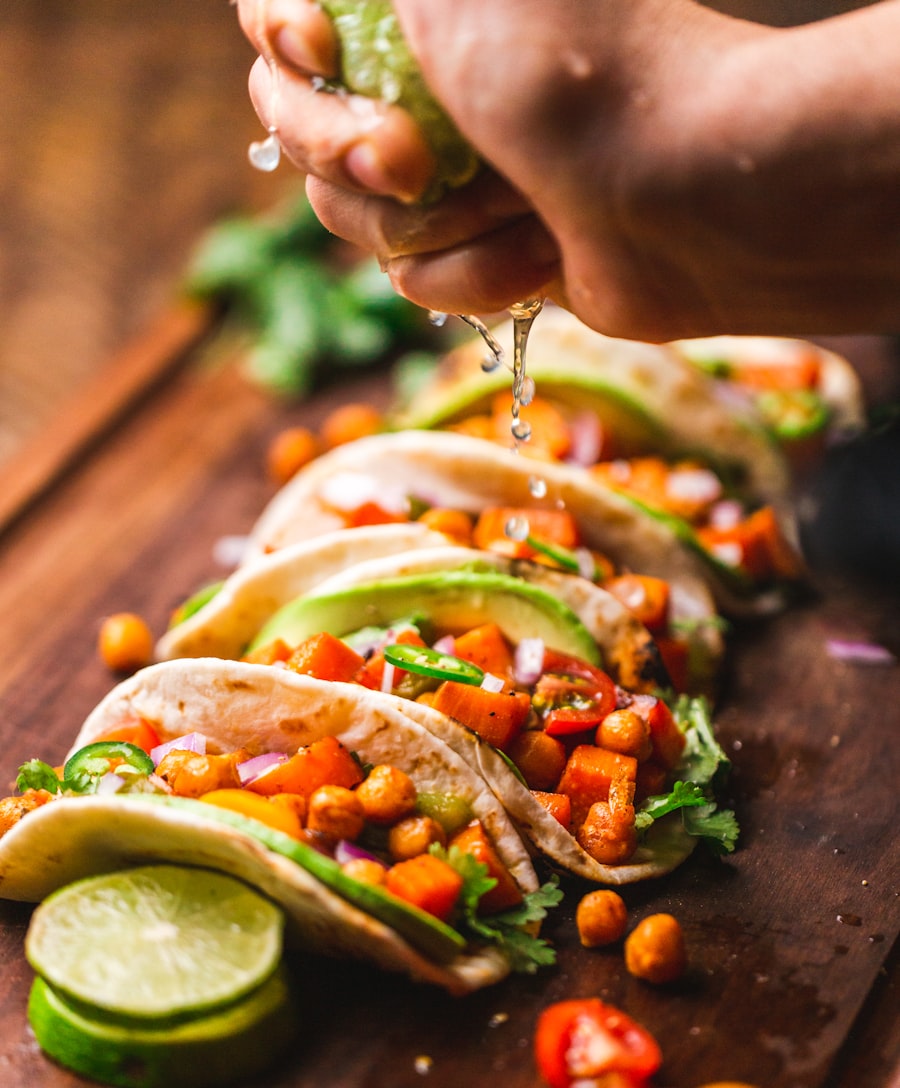
Mapping the fifth taste through anchovy, miso, parmesan, and tomato.

Why fresh, dried, and fermented chilies belong in the same pot.
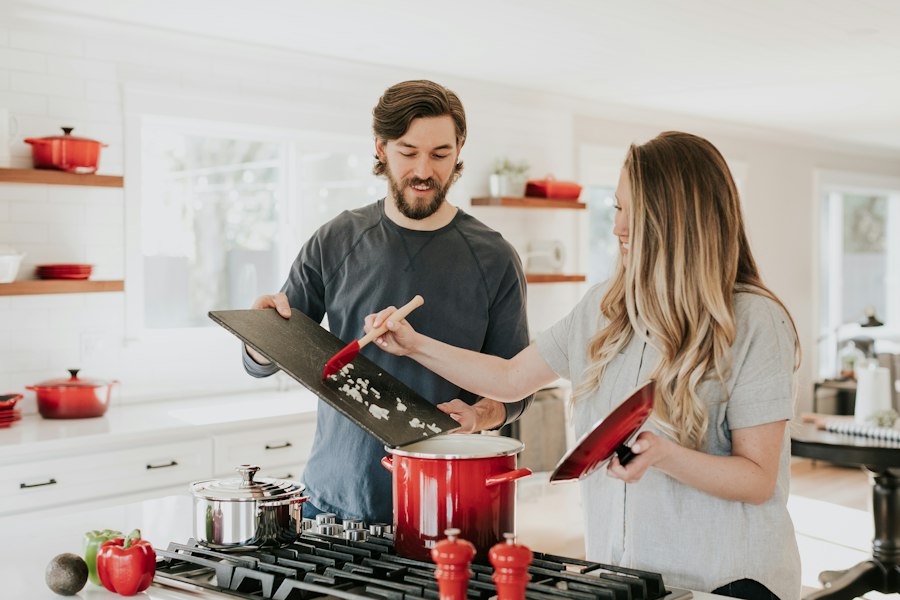
How cut shape changes mouthfeel, cook time, and flavor release.
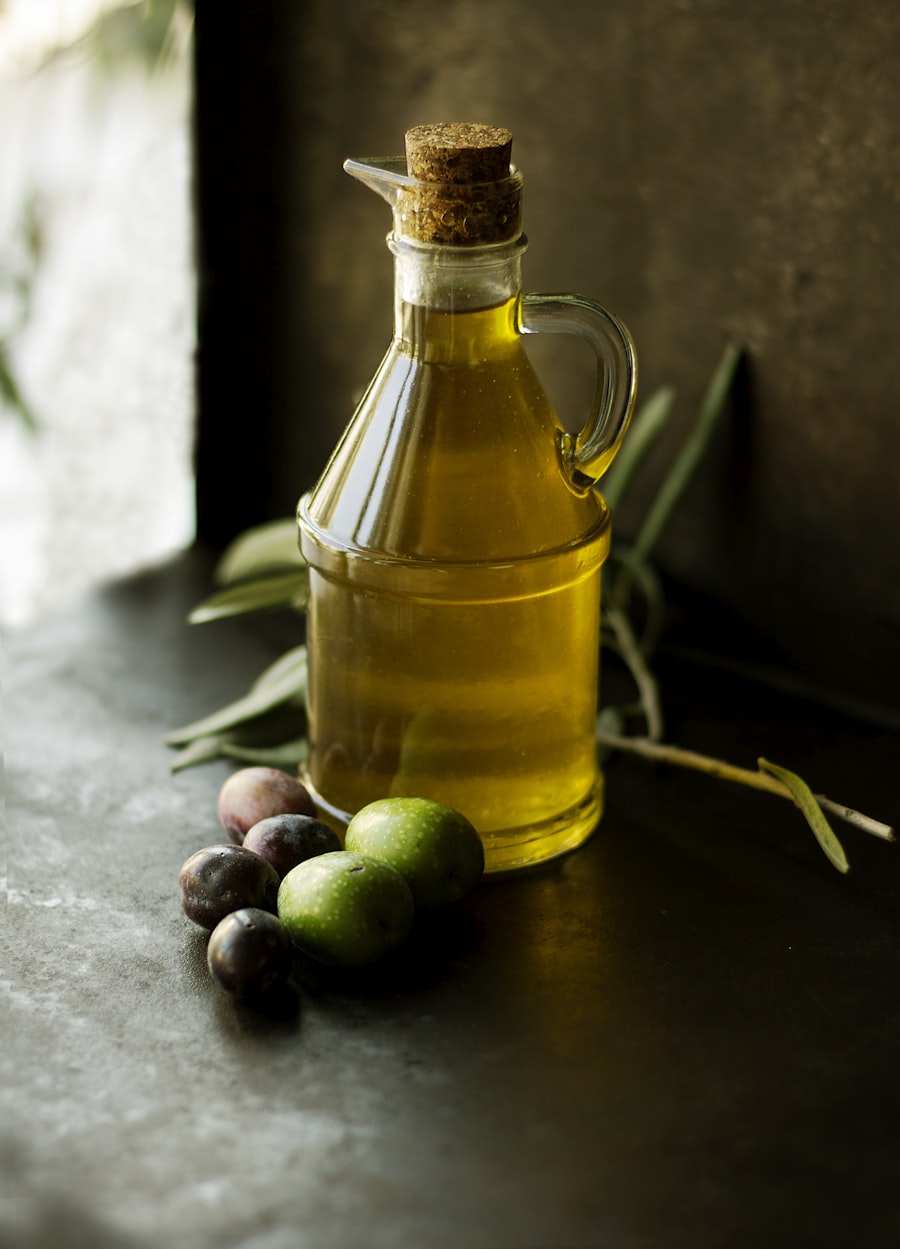
Why olive oil, butter, and rendered marrow carry flavor differently.
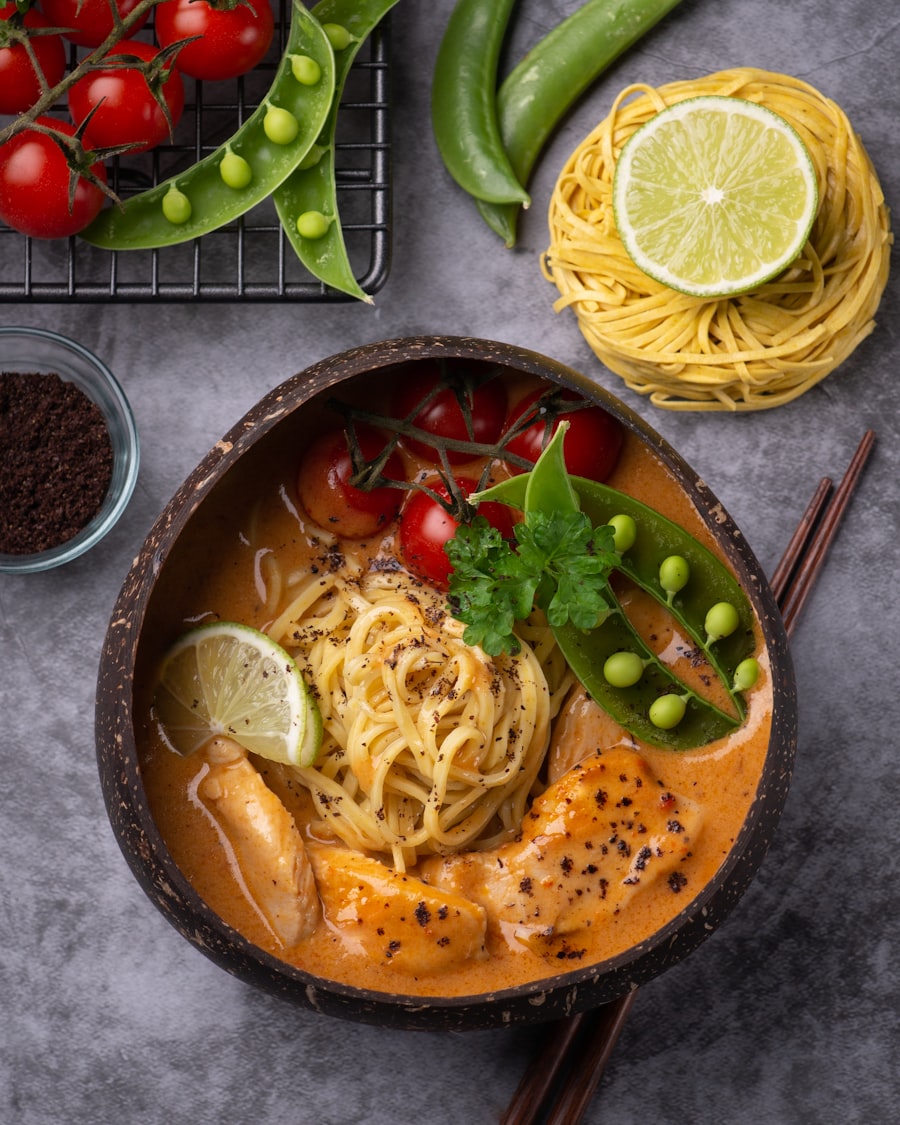
Time as an ingredient — koji, vinegar, and the wild larder.
Twelve-year solera vinegar from Jerez — figs, walnut, slow-built acid.

Hand-harvested threads from La Mancha. A pinch reshapes a whole pot.
Unpasteurized koji rice — the quiet engine behind deep, gentle umami.
Honest answers about what Terroir does, who it's for, and why a palate beats a recipe.
No. Recipes tell you what to do; Terroir teaches you why it works. Once you understand the mechanics — salt, fat, acid, heat, texture — you can fix a flat sauce, balance a rich dish, or build a meal without instructions.
Not at all. Terroir meets you wherever you are. Beginners get a vocabulary for what they're tasting; experienced cooks get a second palate that catches what they miss.
A 60-second onboarding that maps your preferences and blind spots — do you under-salt, over-fat, fear acid? Every recommendation after that is tuned to your taste, not a generic average.
Terroir is trained as a palate, not a chatbot. It diagnoses balance — too rich, too sharp, missing brightness — and prescribes the specific ingredient or technique that fixes it. Then it sources the ingredient for you.
In wine, terroir is the sum of a place — soil, weather, hands, time — expressed in a single sip. We borrowed the word because every dish works the same way: the sum of small decisions, stacked in balance.
Yes. Scan a menu and Terroir reads it like a sommelier — flagging dishes that fit your palate, suggesting wines that lift the fat, and warning you off the ones that won't deliver.